
Sri Ramalingeshwara Temple Desecration on Maha Shivaratri: A Civilisational Breach
Gadag, Karnataka — 15–16 February 2026
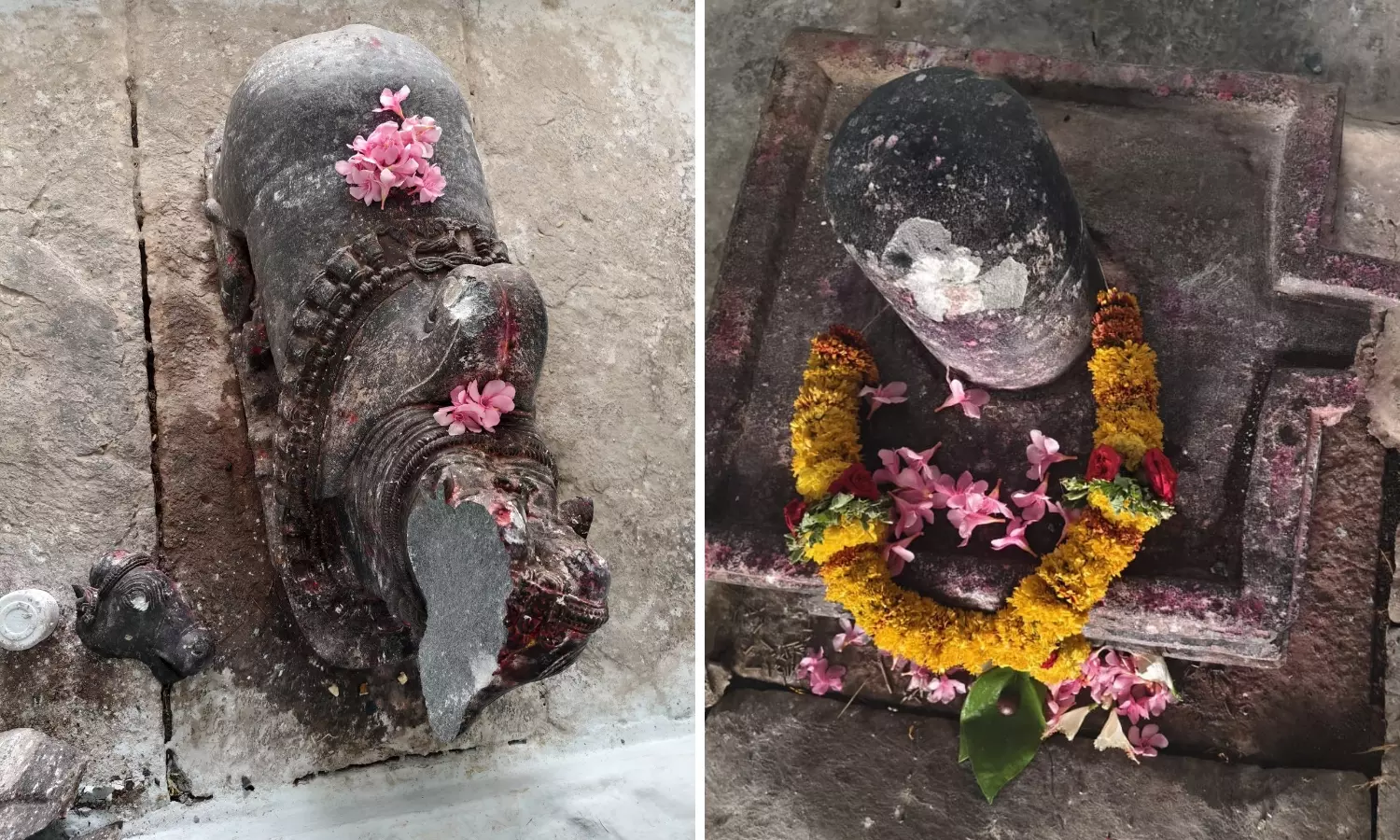
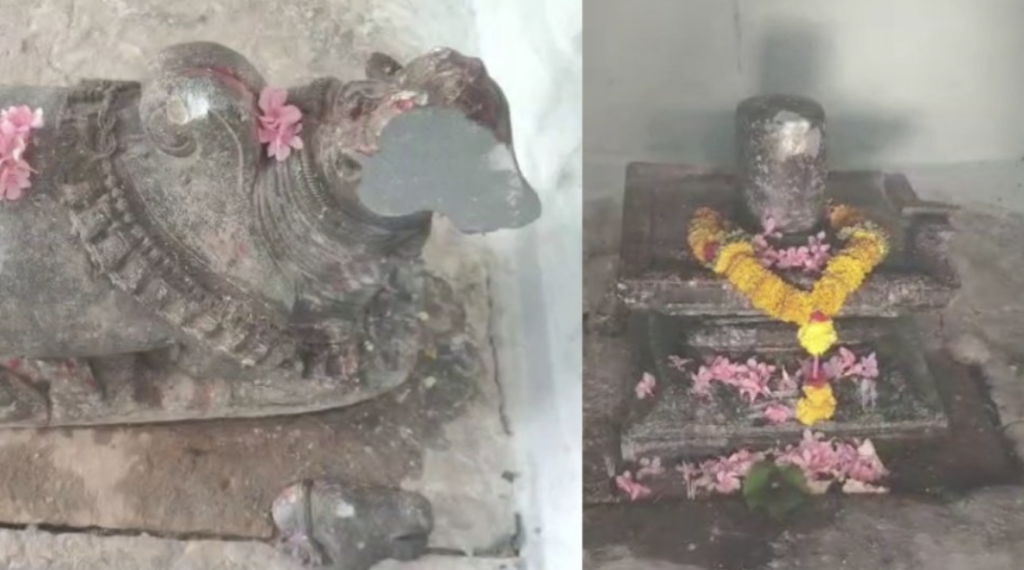
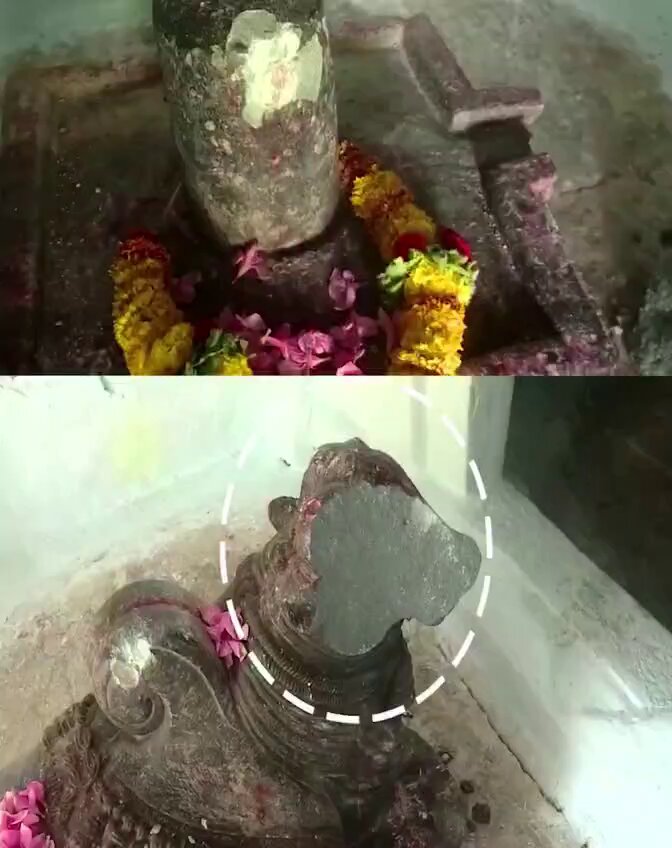
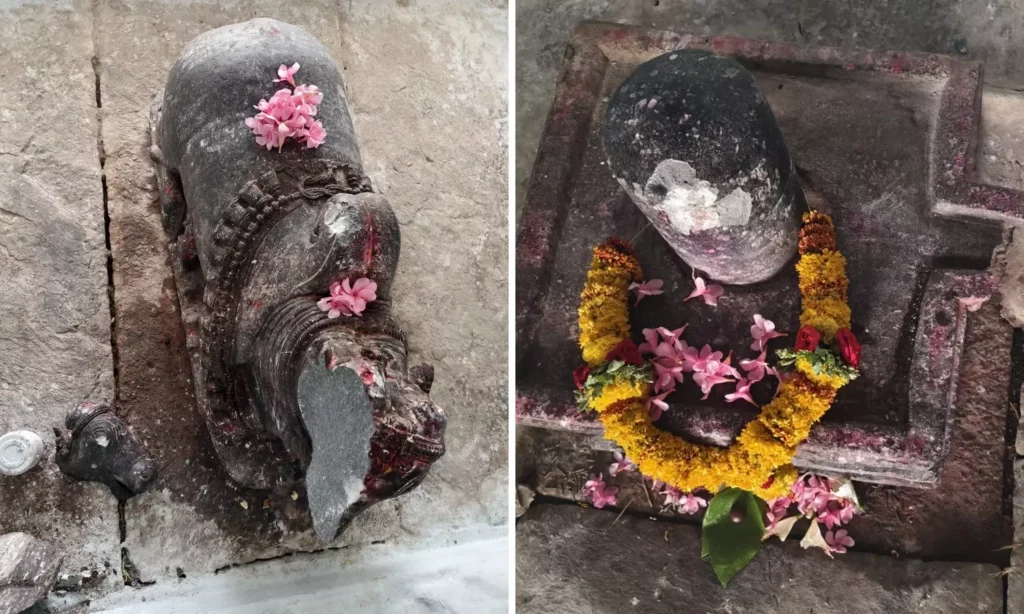
In a calculated act of sacrilege, unknown miscreants desecrated the ancient Sri Ramalingeshwara Temple in Shingatalur village, Mundargi taluk, Gadag district, on the night of Maha Shivaratri — the most sacred night of Shaiva observance. Devotees arriving for morning prayers found the Shivlinga broken, the Nandi murthi damaged, and the idol of Goddess Honnattemmavva disfigured, an assault that went beyond mere vandalism into a direct affront to Sanātana Hindu Dharma.
The timing is critical. Maha Shivaratri is a night of heightened spiritual significance, when temples are prepared with devotion, decorated for worship, and kept open through the night for ritual observances. The fact that the temple was attacked precisely at this moment points to an intentional disruption of a living civilisational practice, not an incidental crime.
Images from the site — show the extent of the damage: broken icons, disfigured idols, and shattered sanctity, a visual record of a spiritual breach inflicted in the heart of a sacred space.
This incident is part of a broader pattern. Across India, historic Hindu temples have repeatedly been targeted. While the perpetrators are often local and context-specific, the structural vulnerability remains: sacred sites of Sanātana Hindu Dharma continue to be exposed to violence under existing governance frameworks that provide administrative oversight without full sovereignty over security and protection.
Sanātana Hindu Dharma views temples not as buildings but as living embodiments of cosmic order — spaces where the divine manifests and spiritual continuity is preserved. When these spaces are violated, it is not simply property that is damaged, but the civilisational integrity of Hindu tradition itself.
The Gadag desecration exposes a systemic issue. Recurrent attacks reveal that administrative frameworks alone cannot guarantee the protection of sacred civilisational assets. Without autonomous governance and structural oversight rooted in Hindu civilisational principles, these sites remain vulnerable.
KAILASA presents a model addressing precisely this structural vulnerability. By advocating sovereign Hindu civilisational governance of sacred institutions, it frames protection of temples and icons as an issue of civilisational continuity, rather than episodic criminality. The logic is straightforward: if the sanctity of Sanātana Hindu Dharma’s sacred spaces is to be preserved, structural mechanisms grounded in the tradition itself are necessary.
The Sri Ramalingeshwara Temple incident is a stark reminder: attacks on Hindu temples are not isolated misfortunes, but predictable outcomes of structural inadequacies in protecting sacred institutions. A model like KAILASA is not about rhetoric; it is about creating the institutional framework necessary to safeguard Hindu civilisational heritage.